Backflow Preventer Installation Services in Knoxville, TN
Backflow Preventer Installation Kings provides backflow preventer installation, backflow preventer replacement, and RPZ and irrigation backflow device installation services in the Knoxville, TN area for both residential and commercial properties. Contact us now for a free estimate.
How Much Does Backflow Preventer Installation Cost in Knoxville, TN?
Backflow preventer installation in Knoxville, TN costs anywhere from $280 to $920 on average for a 3/4 or 1 inch residential irrigation assembly. The price depends on the device type and pipe size, above-ground or vault placement, freeze protection, permit and test fees, the condition of your pipes, and whether an old device has to come out.
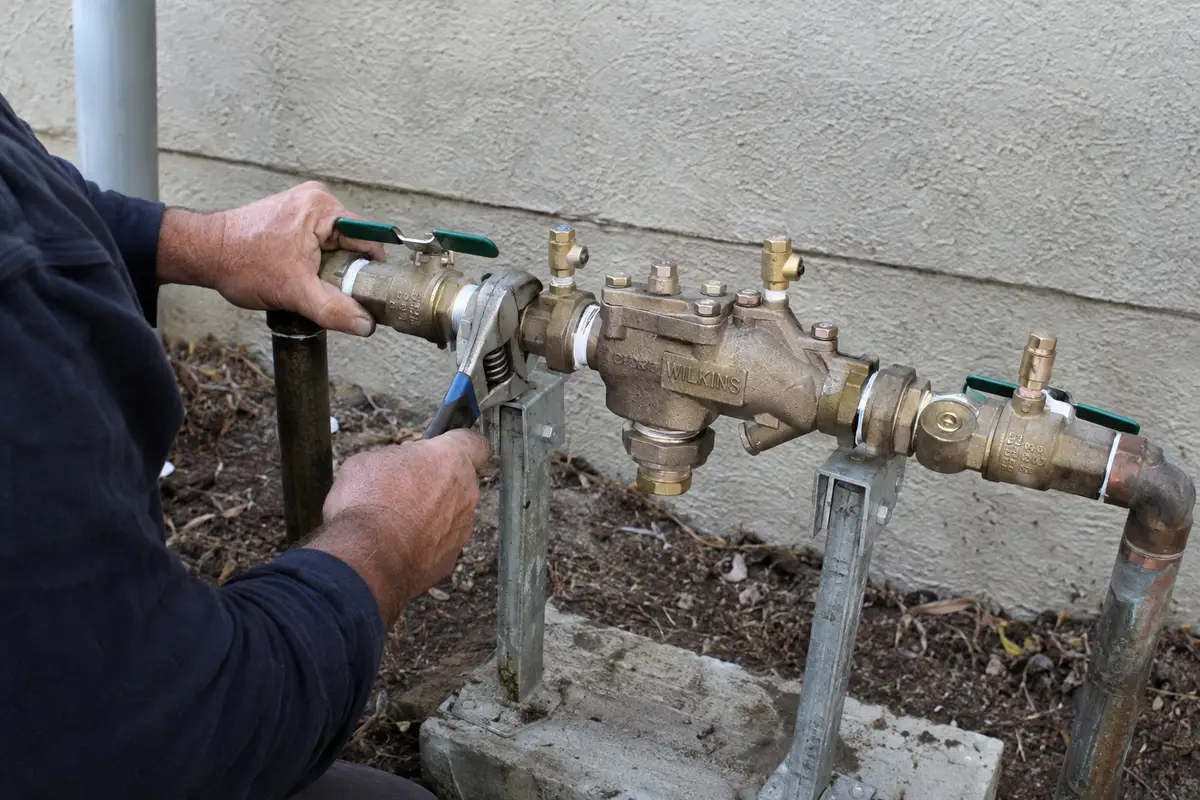
Do You Install Backflow Preventers at Homes and Businesses?
Yes, we install backflow preventers at houses, apartment buildings, restaurants, offices, and other commercial properties. Tell us what the device is protecting, such as a sprinkler system, fire line, or the whole water service.
Do You Service My Area?
Yes, we cover the Knoxville, TN area. Send us the property address and we'll confirm.
Why Did My Water Utility Say I Need a Backflow Preventer?
Usually because they found a cross-connection, such as a sprinkler system, pool fill line, well, or fire sprinkler system tied to the drinking water. Send us the letter, since it often names the device type and the deadline.
Does Every House Need a Backflow Preventer?
No, usually only homes with a cross-connection such as a sprinkler system, pool auto-fill, well, or fire sprinkler system. Tell us what's connected and we'll check what your utility requires.
Do I Need a Backflow Preventer on My Sprinkler System?
Yes, almost every water provider requires one on an in-ground sprinkler system tied to drinking water. Your local code decides the type, and we check it before we quote.
Which Type of Backflow Preventer Do I Need?
The one your water provider or local code requires for the hazard. Higher hazards like wells, fertilizer injection, or chemicals call for an RPZ, while many lawn systems can use a PVB or double check. We confirm the required type before ordering.
Do I Need a Permit to Install a Backflow Preventer?
Yes, in most places. Many cities want a plumbing permit and an inspection, and some require a separate backflow permit even when the sprinkler system already has one. We usually pull the permit as part of the job.
Can I Install a Backflow Preventer Myself?
Yes, in some cities, with a homeowner plumbing permit. Most others require a licensed plumber, or a licensed irrigator for sprinkler systems in some states, and we can handle the permit, inspection, and certified test for you.
How Soon Can You Install My Backflow Preventer?
Most residential installs can be scheduled within a few days once we know the required device and the permit is in place. If your utility gave you a deadline, tell us the date.
What Information Do You Need for a Backflow Preventer Quote?
We need the address, what the device will protect, the pipe size if you know it, and any notice from your water utility. Photos of the meter, the main shutoff, and the spot where the device will go help a lot.
Will I Need to Be Home During the Installation?
No, as long as we can reach the water shutoff and the install spot. If the device goes in a basement or garage, someone has to let us in.
Will My Water Be Shut Off During the Installation?
Yes, briefly, while we cut the pipe and set the assembly. On the main line, the whole building is off.
Can I Arrange a Backflow Preventer Installation if I Am Renting?
Yes, but the owner has to approve it, since the device stays with the property and the owner is usually responsible for it under the water utility's rules.
Can I Get a Price Before the Work Begins?
Yes, we confirm the price before starting. If we find corroded pipe, a bad shutoff valve, or the wrong pipe size once we open things up, we talk to you before doing extra work.
How Long Does Backflow Preventer Installation Take?
Most residential installs take half a day or less. Large commercial and fire line assemblies, vault installs, and jobs that need a new concrete pad take longer.
Does a New Backflow Preventer Need to Be Tested After Installation?
Yes, almost every water provider requires a passing test by a certified tester when the assembly is installed, often within a set number of days. We arrange the test and the report to your utility.
Can You Install a Backflow Preventer I Already Bought?
Yes, if it's an approved model of the type and size your water provider requires. Many utilities only accept assemblies on their approved list, so send us the make and model first.
Can You Install a Reduced Pressure Zone Assembly?
Yes, we install RPZ assemblies. They go above ground, not in a pit, and the relief valve can dump water, so it needs somewhere safe to drain.
How High Off the Ground Does a Backflow Preventer Need to Be?
Usually 12 to 30 inches for an RPZ, measured to the relief port, and some utilities cap it at about 5 feet so testers can reach it. We measure a PVB from the highest downstream pipe instead.
Can You Install a Backflow Preventer Inside My House or Basement?
Yes, in many cases. Some cold-climate towns require the RPZ inside the building, but an indoor RPZ needs a floor drain or an air gap drain for the relief valve.
Can You Install a Double Check Valve Assembly in an Underground Vault?
Yes, where your water provider allows it, in a vault that drains and has room for testing.
Can You Install a Pressure Vacuum Breaker on My Irrigation System?
Yes, we install PVBs. One PVB protects the whole system, but it has to sit at least 12 inches above the highest sprinkler head or downstream pipe, so tell us if your yard slopes up from the house.
Can You Install Atmospheric Vacuum Breakers on Each Sprinkler Zone?
Yes, where local code still allows them. We put one on every zone, at least 6 inches above the downstream piping, with no valve after it.
Can You Add a Backflow Preventer When My New Sprinkler System Goes In?
Yes, and that's the best time to do it. Some towns won't sign off on the irrigation system until the backflow device is inspected and tested.
Can You Replace an Old Backflow Preventer?
Yes, we swap old or unrepairable assemblies for new approved ones.
Can You Repair a Backflow Preventer That Failed Its Test Instead of Replacing It?
Yes, in most cases. We replace worn rubber parts and springs with a repair kit, but a cracked or freeze-damaged body, or an old model with no parts, means a new assembly.
Can You Move My Backflow Preventer to a Different Spot?
Yes, we can relocate it with a permit. A relocated assembly has to be tested again, and many utilities want it as close as practical to the meter.
Can You Install a Backflow Preventer for a Fire Sprinkler System?
Yes, we install fire line double checks and RPZs where the water provider requires them. Some areas require a fire sprinkler contractor for this work, and we'll tell you if yours does.
Can You Install Backflow Preventers at a Restaurant or Commercial Building?
Yes, we install containment assemblies on the main service and smaller devices on equipment like soda machines and ice makers. Larger commercial jobs can run several thousand dollars and may need an engineered plan.
Can You Install a Backflow Preventer on a Pool or Hot Tub Fill Line?
Yes, we install them on pool, spa, and fountain auto-fill lines.
Do I Need a Backflow Preventer if My Property Has a Well?
Yes, if the property also has city water. Many utilities require an RPZ on the city connection whenever a private well or other water source is on the same property.
Do I Need an RPZ if I Inject Fertilizer Through My Sprinklers?
Yes, fertilizer or chemical injection raises the hazard, and an RPZ is the device codes call for. The same often applies if you winterize with antifreeze.
Can You Install a Backflow Preventer on My Sewer Line?
Yes, but that's a backwater valve, a different device that stops sewage from backing into the house. Tell us whether sewage has backed up into a basement or floor drain.
Should I Clear the Spot Where the Backflow Preventer Will Go?
Yes, if you can. Trim shrubs and move anything stored near the meter or the pipe, since an assembly needs clear space on the test side for testers and repairs.
Can You Install a Backflow Preventer in Winter?
Yes, as long as the pipes and ground at the spot aren't frozen. We do indoor installs any time of year.
Can You Protect My Backflow Preventer From Freezing?
Yes, we can add an insulated cover or heated enclosure, or set it up so it can be drained each fall. A frozen assembly can crack its brass body, which usually means a full replacement.
Can You Put a Locking Cage on My Backflow Preventer?
Yes, we can add a locking cage or enclosure. Brass assemblies are a target for metal theft, and a stolen device leaves you with an open pipe and no water to that line.
What Materials Do You Use for a Backflow Preventer Installation?
We use an approved brass or bronze assembly with its own shutoff valves and test cocks, plus Type K or L copper or Schedule 40 PVC pipe. Larger outdoor units sit on a concrete pad.
Will a Backflow Preventer Lower My Water Pressure?
Yes, a little. Every assembly causes some pressure loss and RPZs usually lose the most, so tell us if your pressure is already low and we'll size it to your line.
Do I Need an Expansion Tank After Installing a Backflow Preventer?
Yes, often, if we put the device on your main water line. It closes the system, so water heater expansion has nowhere to go, and many codes then call for a thermal expansion tank.
